TOO DUMB FOR THE MOON
I grew up listening to a saying "gus garkamux garimi k gon omaimi" — the hen is the one who senses the new day, but it's the rooster who gets to crow about it. Everyone wakes up to his voice because hes the leader.
That saying stayed with me — a quiet reminder of how women are seen: present, but not really heard.
On a recent trip, during an argument a guy asked me, "Who went to the moon — a man or a woman?" The implication was obvious: men are the intelligent ones, capable of extraordinary things — because men are simply great.
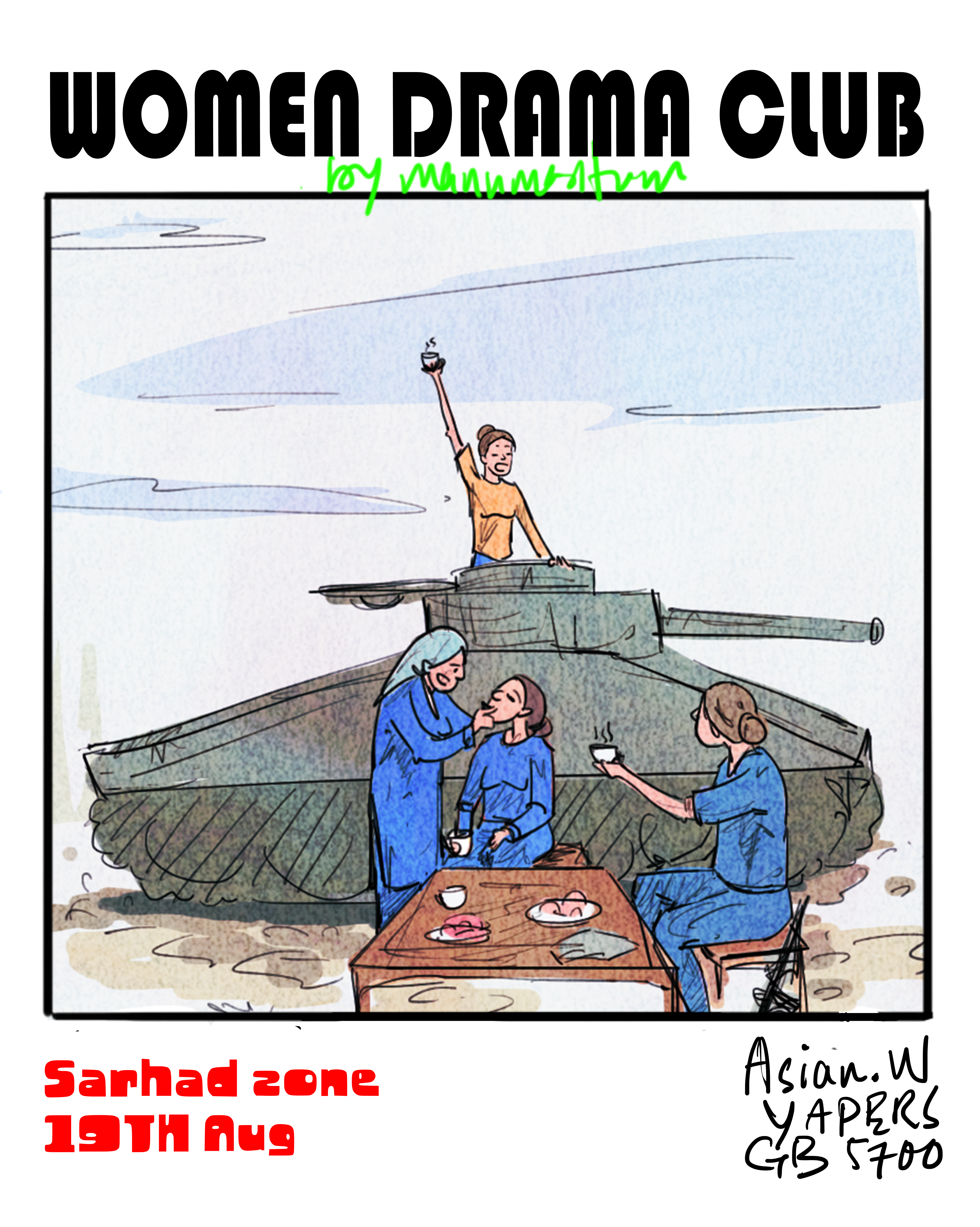
Later, these questions got into my head, What would women actually do in situations like these, if we leaned all the way into the ridiculous logic he was using?
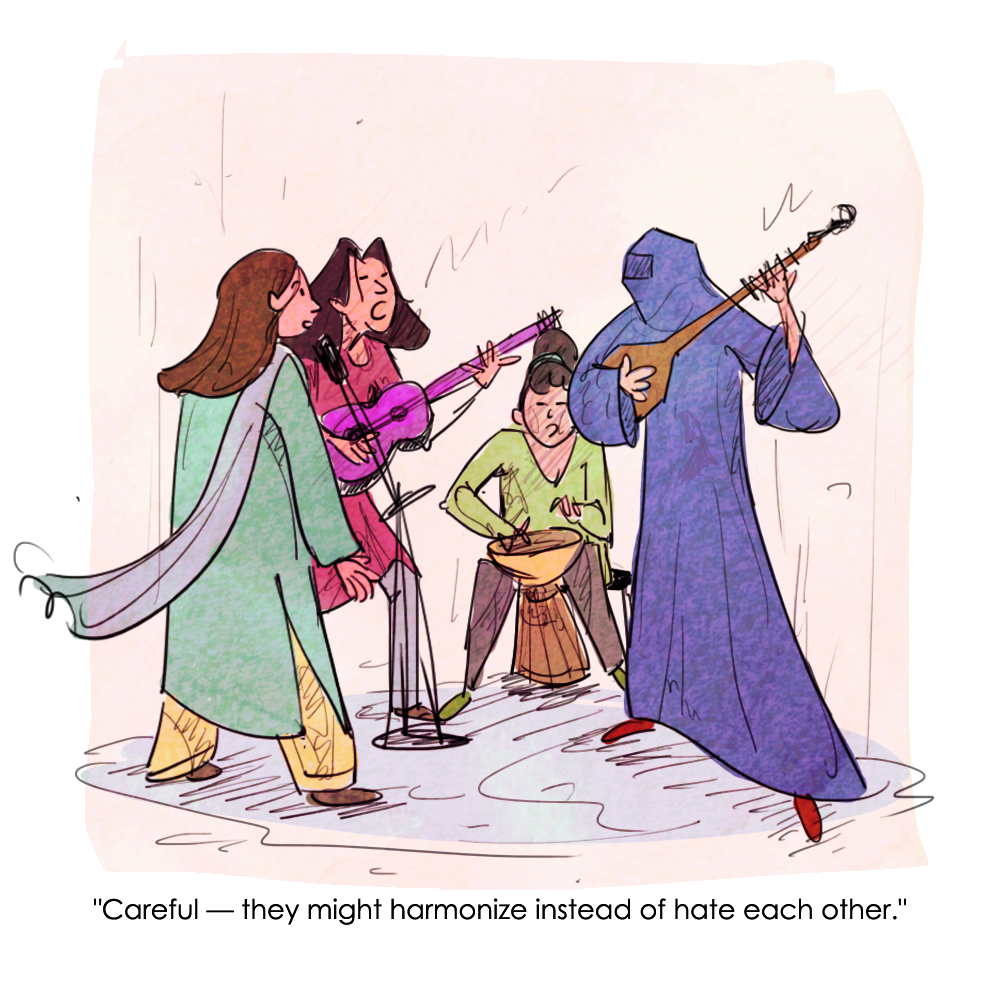
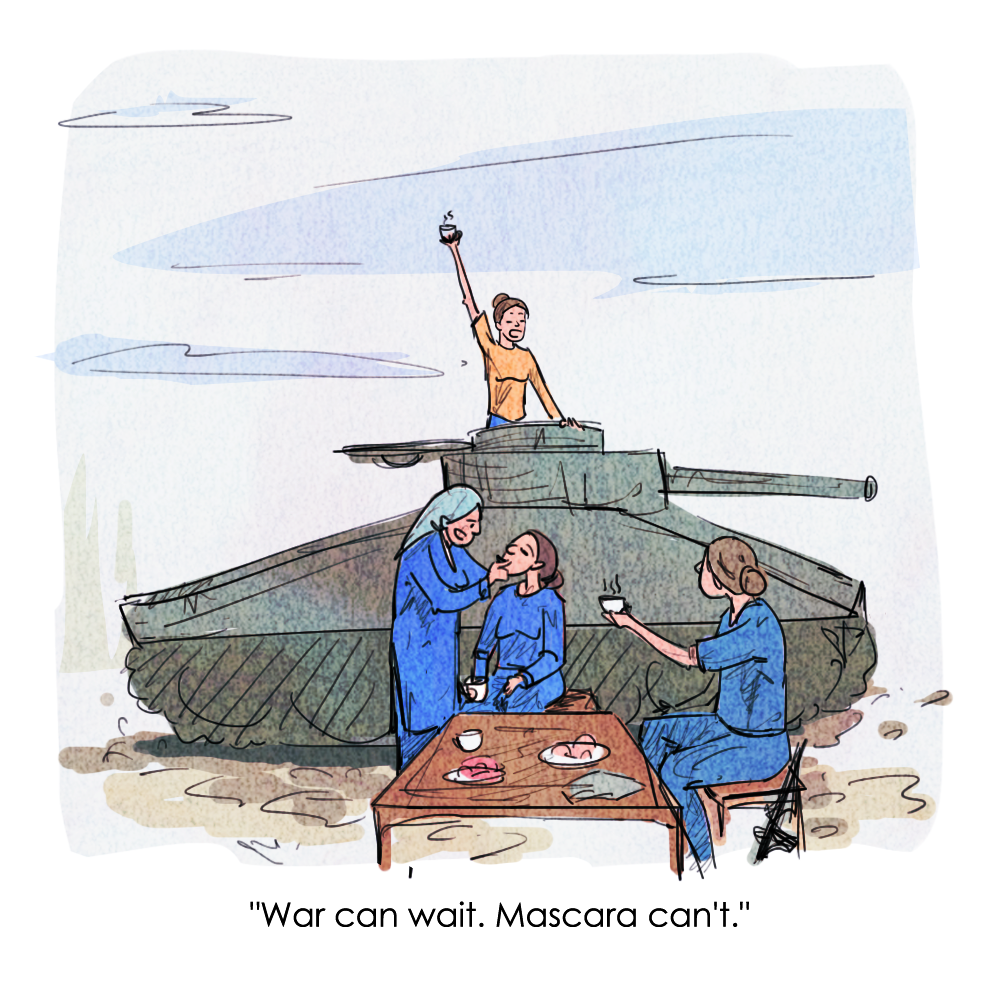
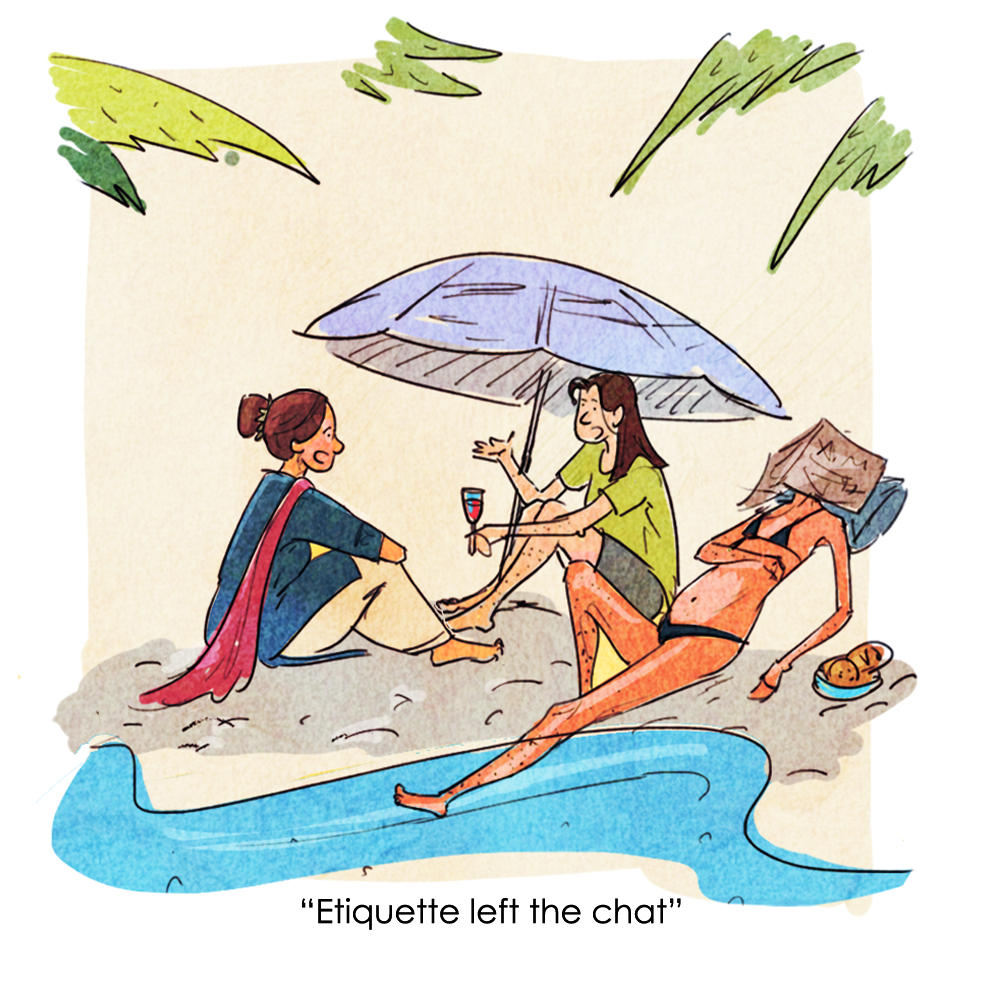
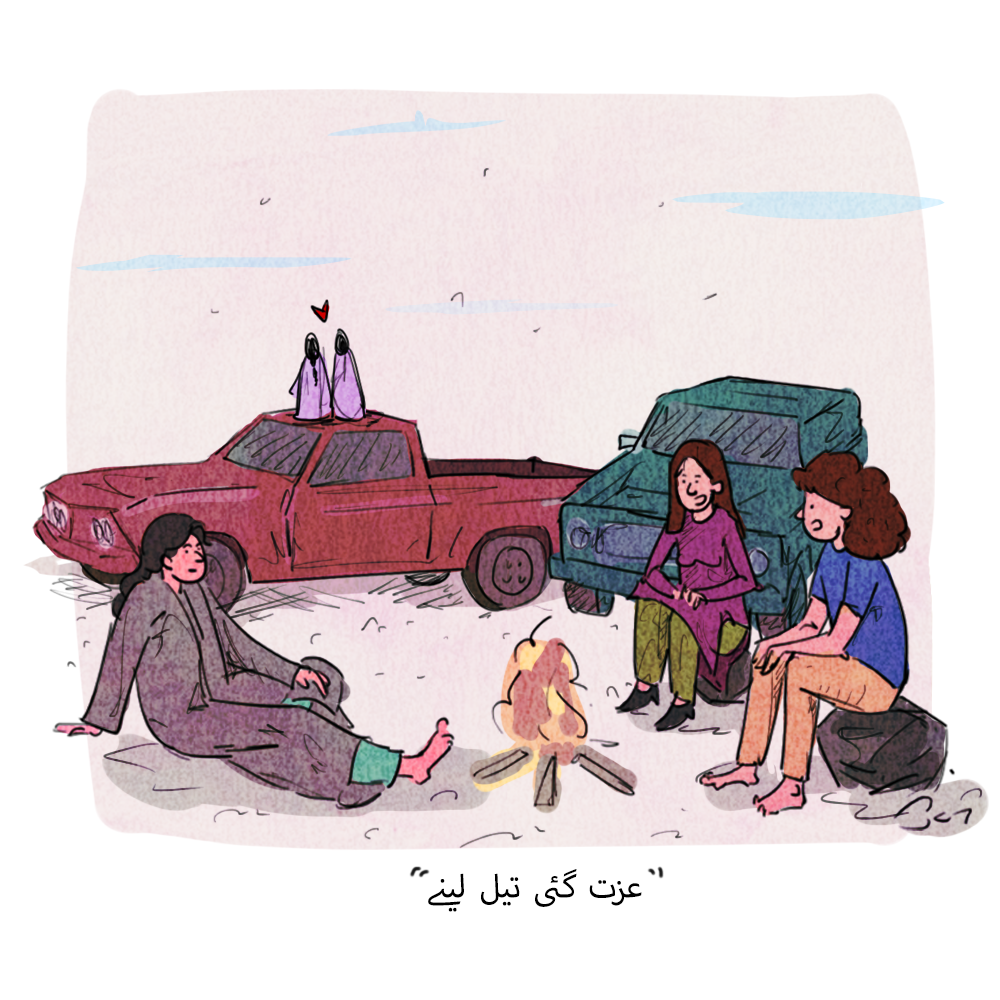
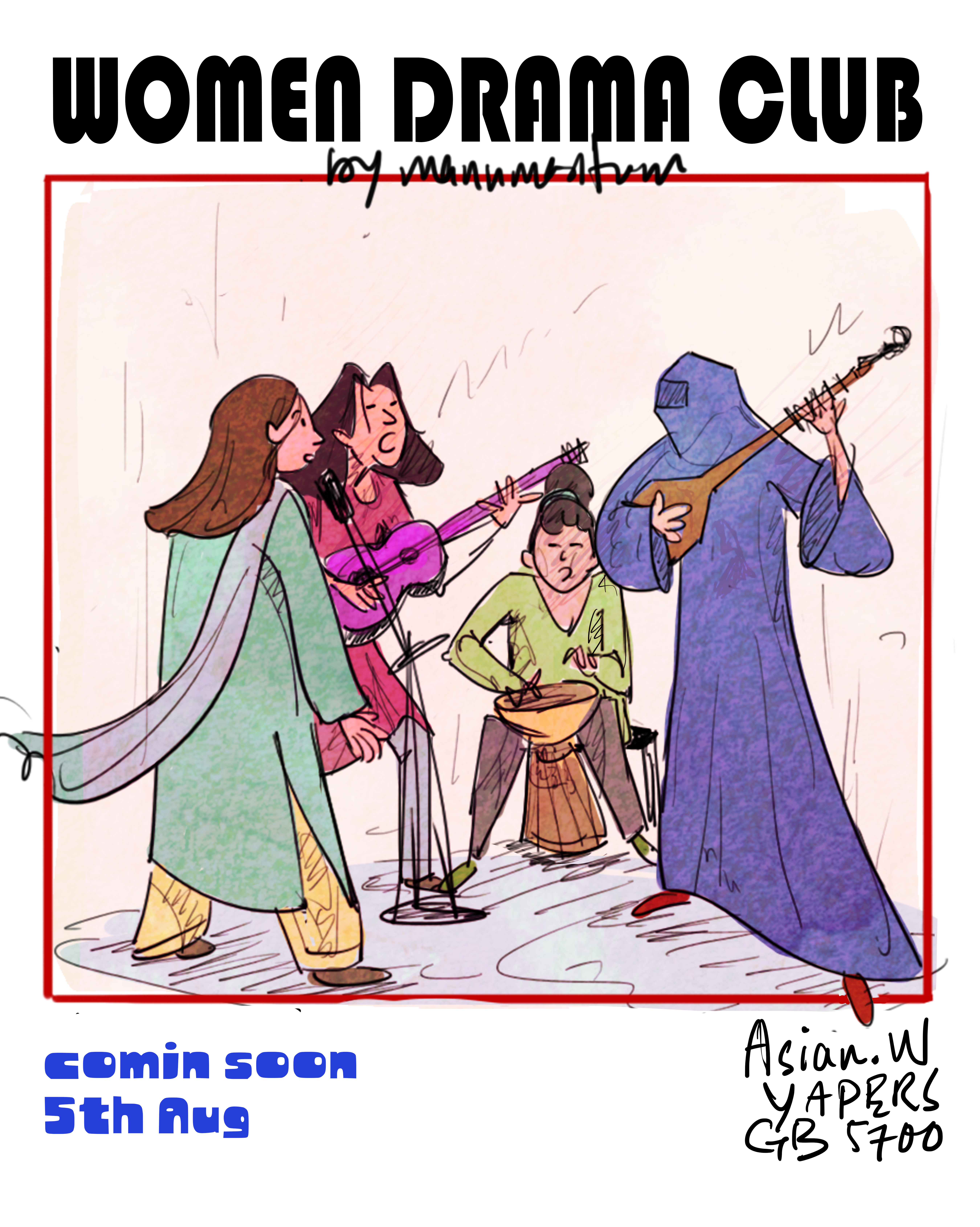
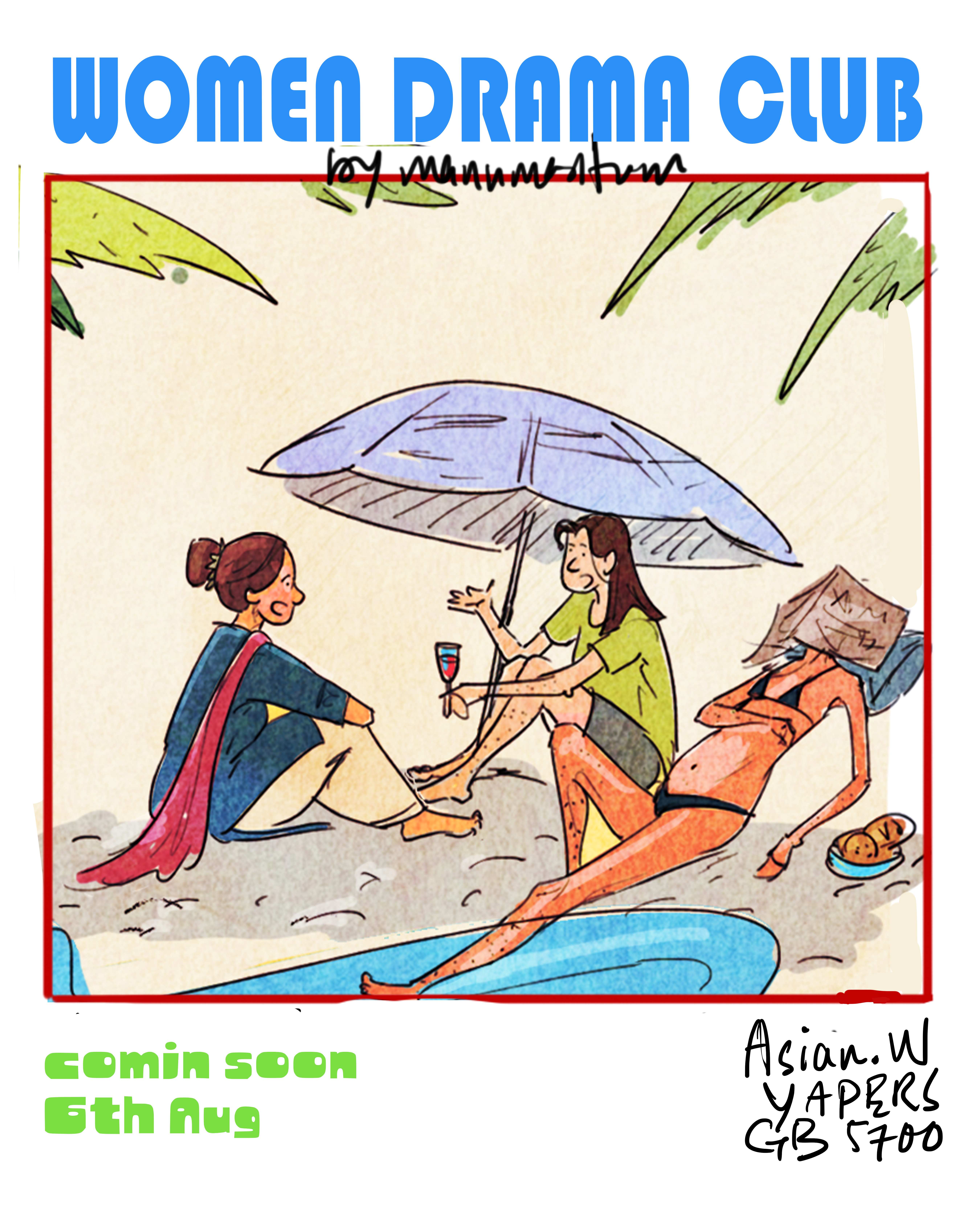
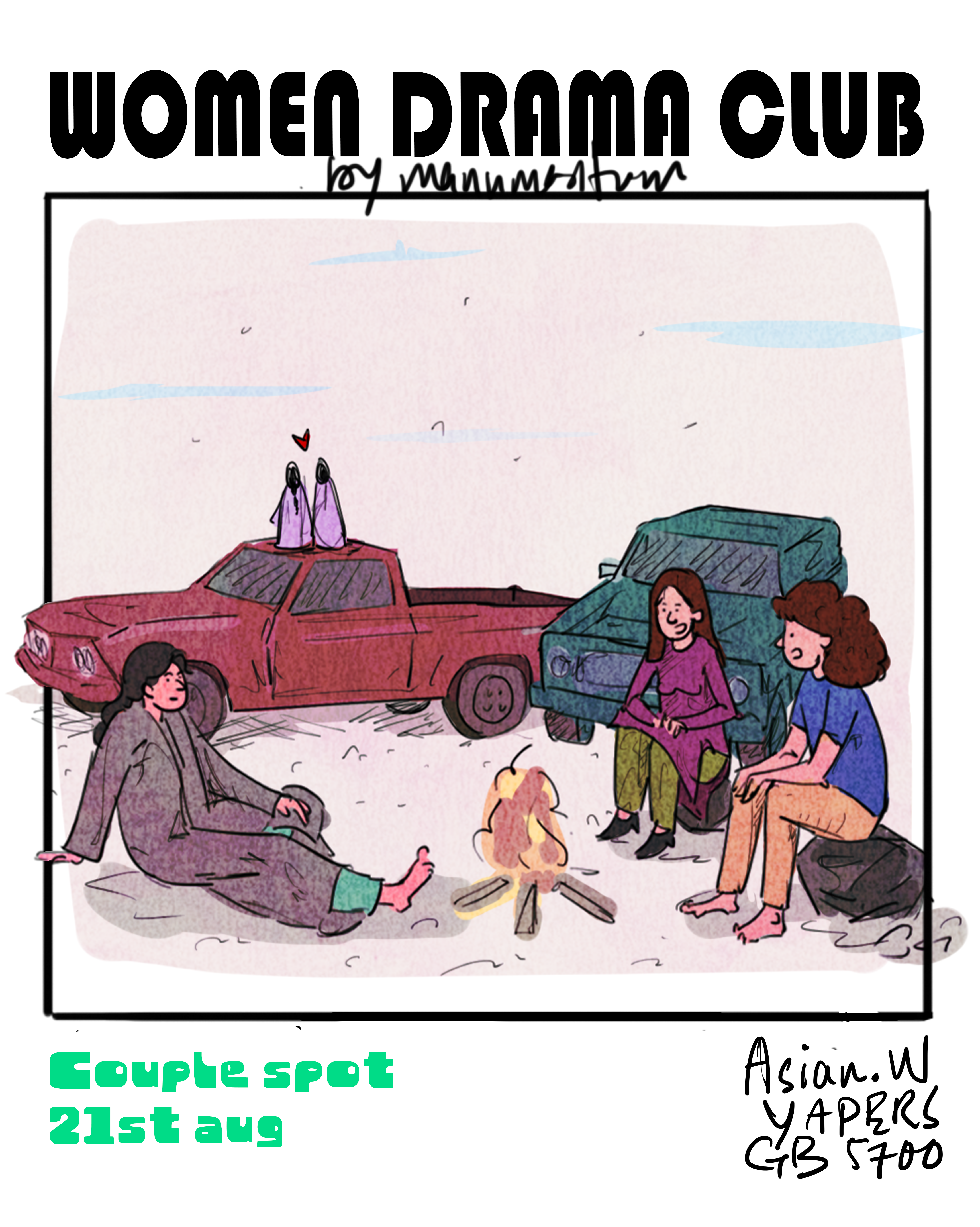
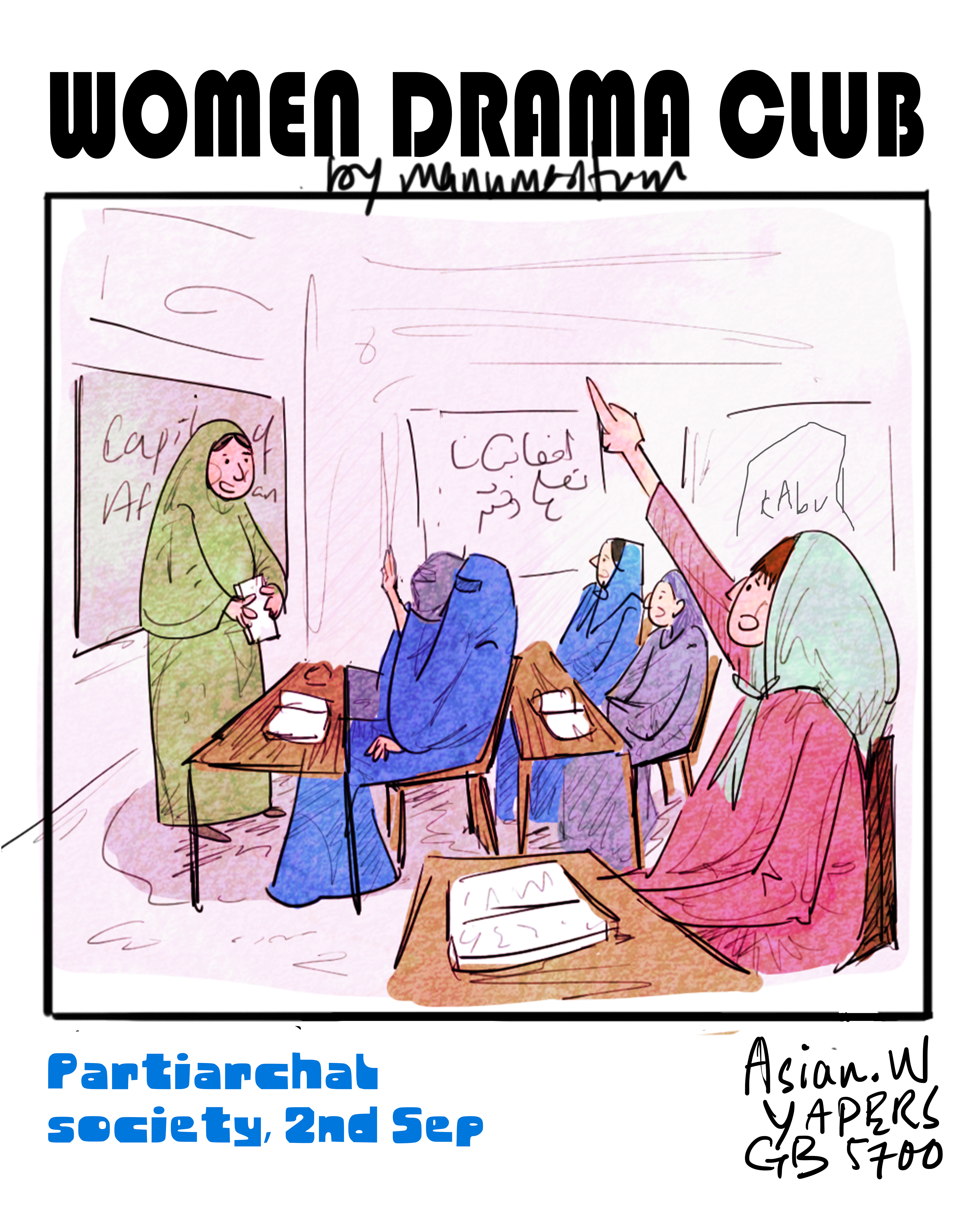
So I created a sarcastic portrayal — four illustrations imagining exactly that.
There are four illustrations on few of topics related to educating womenand honor killing etc.


93% of women in Pakistan experience some form of sexual violence in public places during their lifetime.
The Quran does not stipulate that women shouldn't drive or be forced into conservative dress; it asks modesty of both men and women, not one-sided restriction.
Striking multiplier effect: women invest up to 90% of their income back into their family, compared to an average of 30–40% for men

The veil wasn't common in the Muslim world until the 10th century, adopted through contact with Persian culture. In antiquity, veiling was a status symbol reserved for upper-class Assyrian women — slaves and servants were explicitly forbidden from wearing it.
Muslims first adopted the veil the same way: as a sign of status. Only later did it come to represent modesty. It wasn't until the late 16th century, under the Ottoman Empire, that the veil became obligatory.
"Gilgit-Baltistan has one of Pakistan's highest literacy rates — but not because of the government. It's largely thanks to schools built by the Aga Khan Foundation, not the state."
In many communities, these killings aren't treated as crimes at all — perpetrators are sometimes celebrated and treated as having done something honorable rather than facing social consequence.